The Ballona Freshwater Marsh and its Impact on the Ballona Wetlands
“In 2003 the Freshwater Marsh was constructed, which diverted freshwater flows from Centinela Ditch, Lincoln Boulevard, and Jefferson Boulevard storm drain into the new marsh and out into Ballona Creek, away from Area B [of the Ballona Wetlands Ecological Reserve].” – Final Environmental Impact Report for the Ballona Wetlands Restoration Project
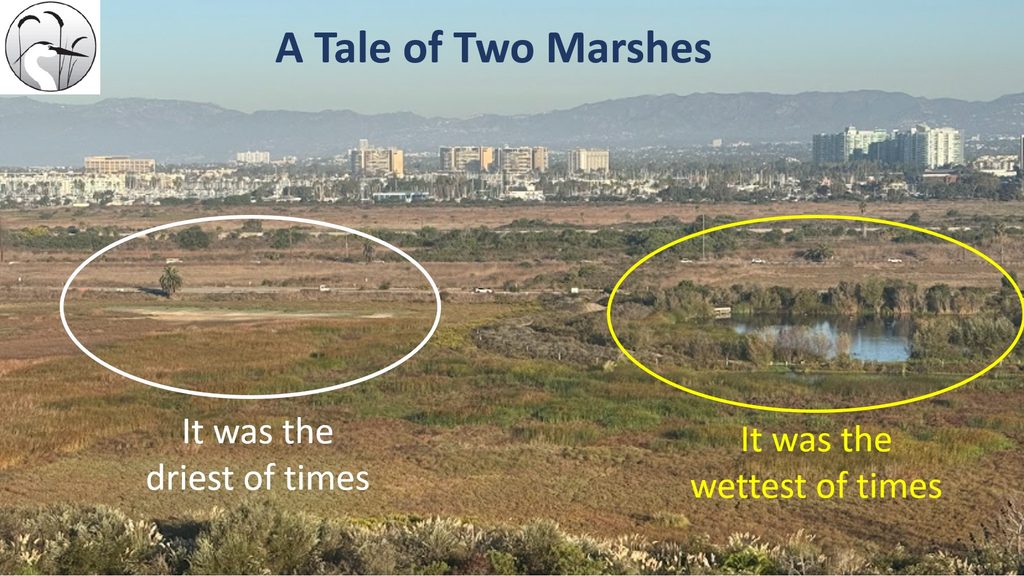
This web page uses historical agency documents to explain how the Ballona Freshwater Marsh (FWM) acts like a dam that prevents historical water flows from the east from reaching the Ballona Wetlands Ecological Reserve (ER) during the nesting period in late spring and during migration in early fall. The FWM is on land owned by the State Lands Commission (SLC) but is managed by a private non-profit, called the Ballona Wetlands Conservancy (BWC) with little to no oversight from the SLC. The ER is on land owned by the Department of Fish and Wildlife. Both areas were privately owned when the FWM was designed and permitted in the early 90s. The BWC is overseen by a Board of Directors that includes representatives of the Playa Vista development, Friends of Ballona Wetlands, Los Angeles City Council District 11, and the California Department of Fish and Wildlife. The closed nature of the BWC (i.e. closed meetings, no website for posting meeting agendas and minutes), and how the lack of transparency impacts the management of water flows, is discussed in more detail below.
Water flows into the FWM from three inlet structures, all on the eastern edge of the marsh, adjacent to Lincoln Blvd, as depicted on the aerial map below, which is taken from an interpretive sign at the FWM.
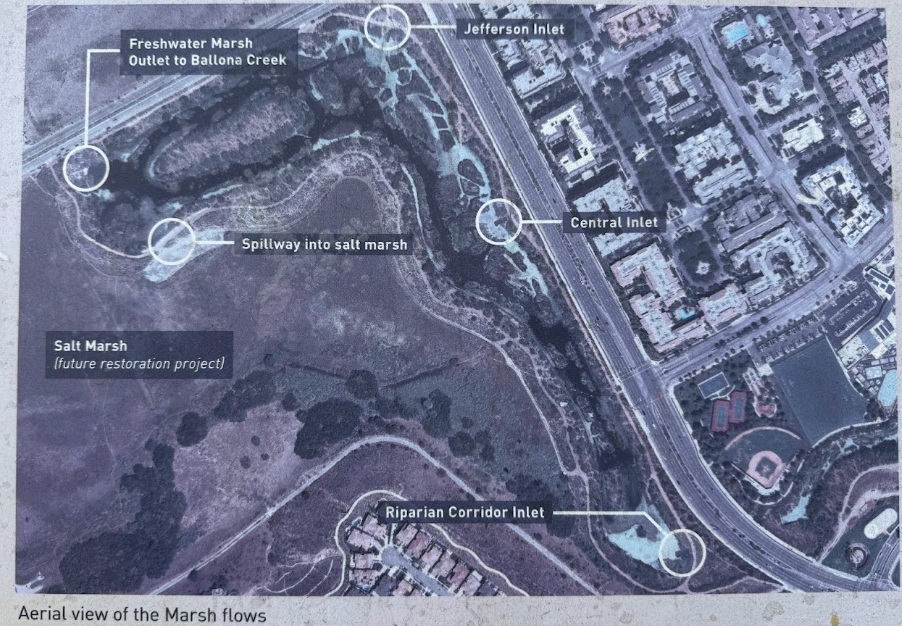
The map also shows two of the three outlets from the FWM, namely the outlet to Ballona Creek and the spillway to Southeast Area B of the ER. Not pictured on the map is a sluice gate which also has the capability to allow water flows from the FWM into the ER. The below photo highlights how the outlet to the creek and the spillway essentially act together as a dam to retain water in the FWM. Both the outlet to the creek and the spillway used adjustable control weirs that dictate how much water remains in the FWM, how much water flows out to the creek and how much water flows into Area B of the ER, wit the current configuration causing most of the excess water to flow out to the creek and away from the wetlands. These outlets to the creek and the spillway are shown in the photo below.
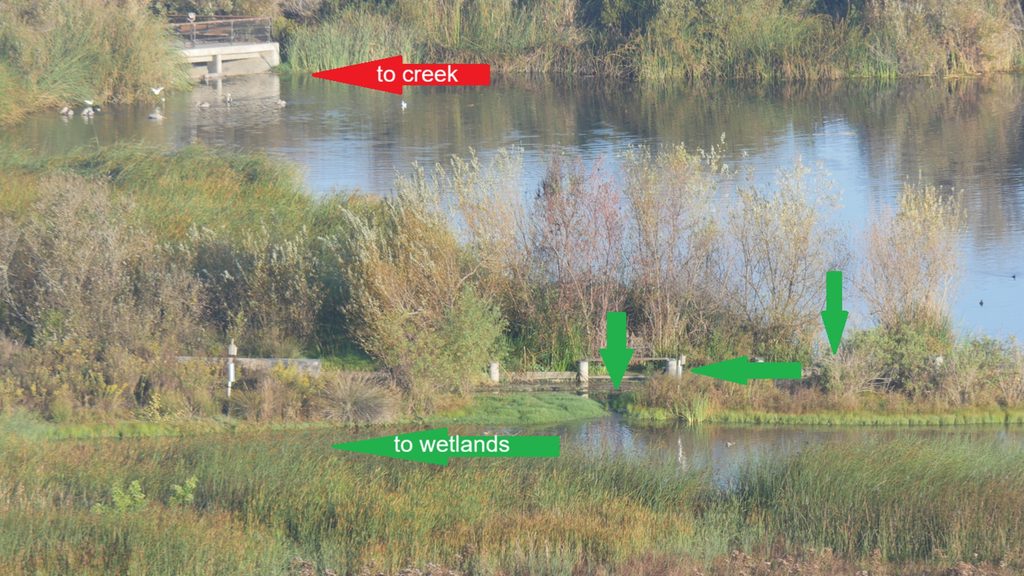
Visitors to the FWM can easily observe both of these outlets. The outlet to the creek is directly underneath the observation platform which is accessible from the trail along Jefferson Boulevard and the control weir to the spillway is directly across from the observation platform to the right. Pictures of both outlets taken from the observation platform are below.
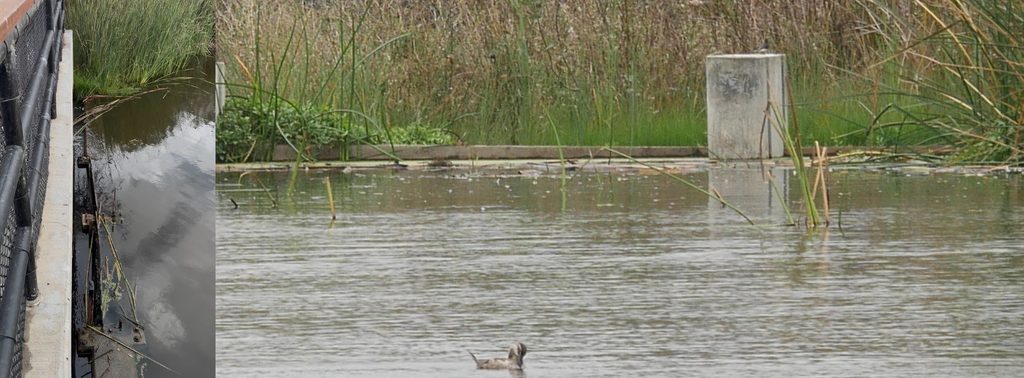
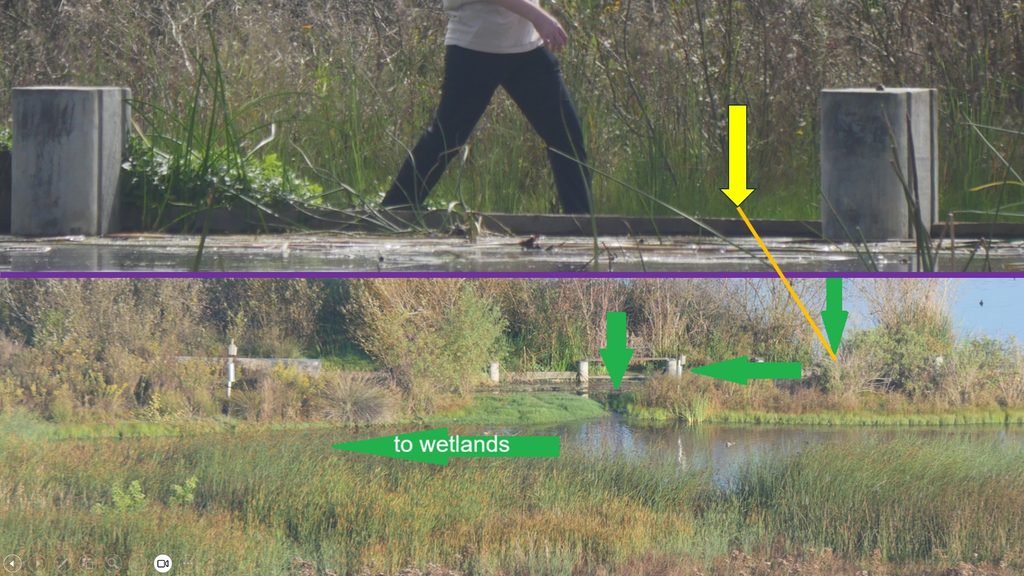
Both the outlet to the creek on the left and the outlet to the wetlands on the right can be adjusted via the use of boards placed in slats in the concrete control weirs. The use of tall boards in the outlet to the creek maintain relatively high water levels in the FWM In this photo, water is seen overtopping the concrete. There is also considerable leakage around the boards. In the photo on the right, the water level is just below the boards in the control weir to the spillway. If these boards were removed from their slats in the control weir, a substantial amount of water would flow into the spillway and out to the non-tidal marshes of Southeast Area B of the ER. This is more clearly shown in the two photos below, with a visitors feet and ankles obscured by the boards, showing the spillway to be lower than existing water levels. The removal of one of these boards (yellow arrow) would allow more water to flow into the non-tidal marsh to the west.
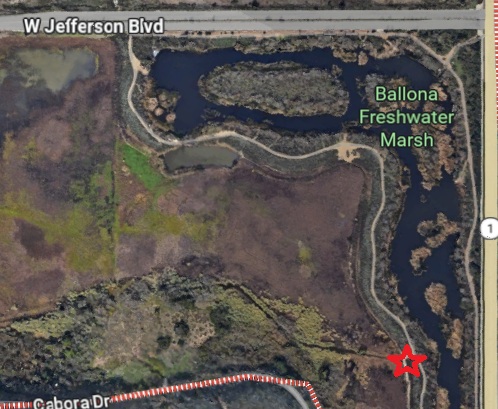
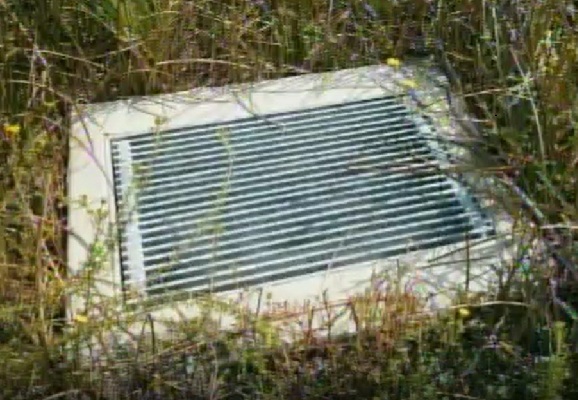
As noted above, a third outlet structure is the sluice gate, which is located to the southeast of the spillway, as depicted by the red star in the left photo below. The sluice gate outlet is shown in the photo to the right from a 2019 Coastal Commission presentation.
What’s at stake?
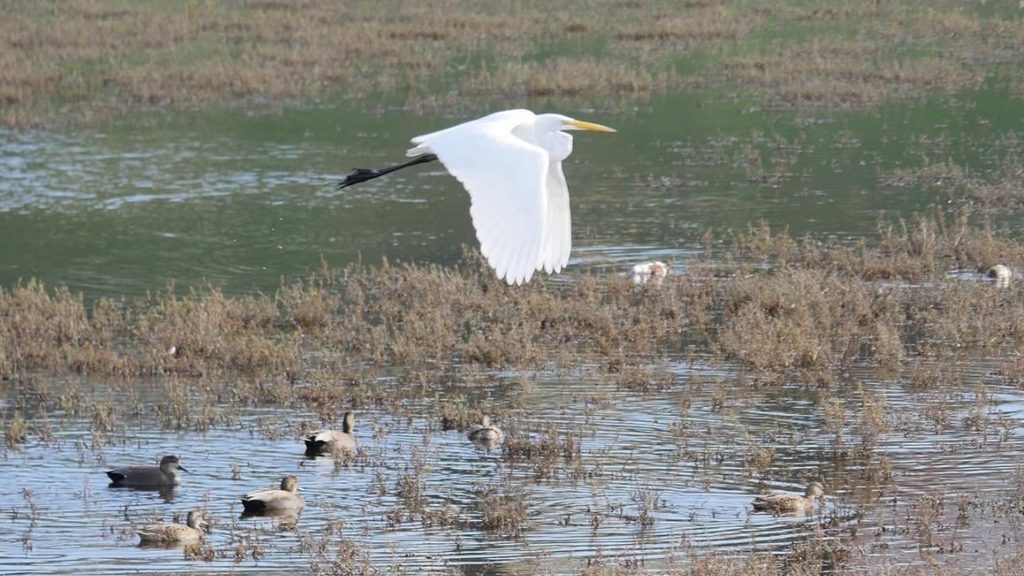
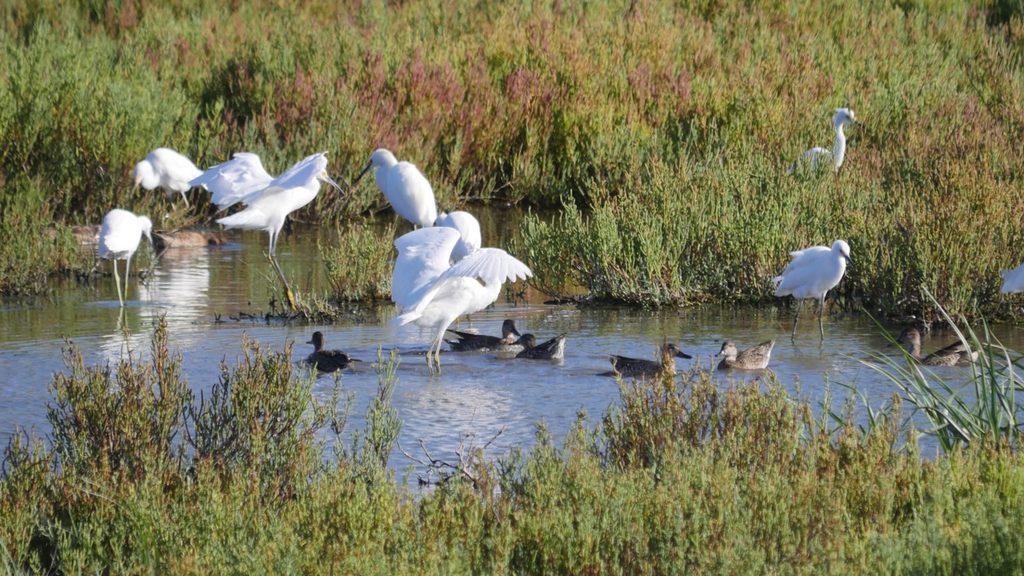
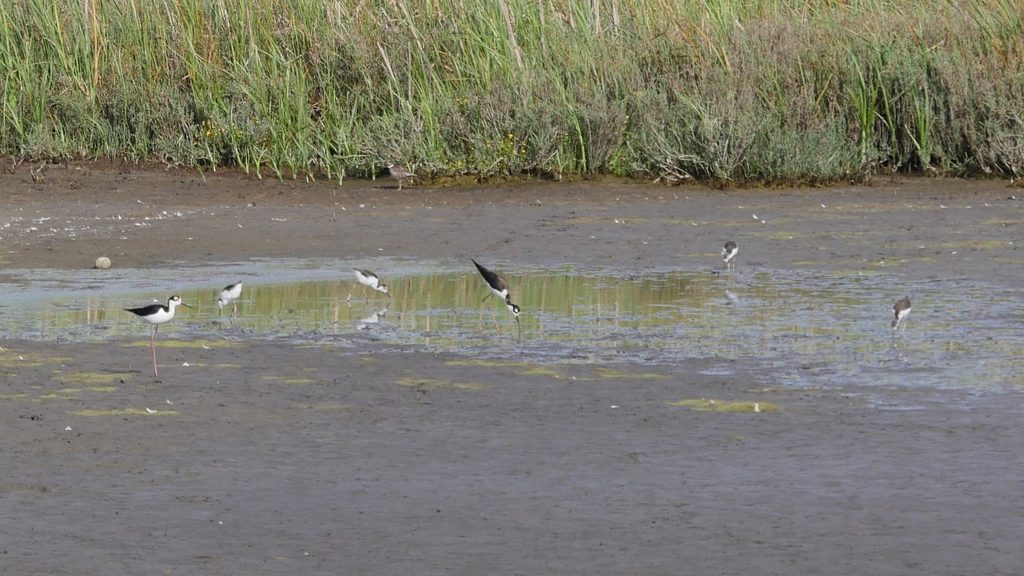
The spillway and the sluice gate were both mechanisms intended to provide management flexibility by allowing regulated flows of freshwater into the non-tidal marsh west of the FWM. For many years, this non-tidal marsh only had standing water after the heaviest of rains. In years of limited rain, it could remain dry even throughout the winter season. However, roughly three years ago, a change occurred that has resulted in the non-tidal marsh becoming semi-permanent, with standing water from late fall through early spring. The problem is that critical habitat for fall migration and spring nesting is still prevented by the blocking of water flows into the ecological reserve. To give a sense of what is at stake, the first two pictures below show native wildlife using the non-tidal marsh when it sustains standing water. The third photo show two adult and four juvenile Black-necked Stilts foraging in rapidly vanishing habitat in late May of 2026.
Why is the water managed this way?
Three different reasons have been put forth for blocking most of the water in the FWM from flowing through the wetlands and diverting it instead out to Ballona Creek, namely flood risk, mosquito abatement, and protection of salt marsh habitat. However, as discuss below, no documentation or in-depth analysis has ever been provided to support any of these justifications for the present management practices. What the record does strongly suggest is that the Ballona Wetlands Conservancy simply has no incentive to manage water flows that benefit the entire ecological reserve. This is also discussed in more detail below.
Beginning with the concern about flood risk, direct observation indicates that the non-tidal marsh can hold standing water without the surrounding areas flooding. Just as a bath tub can have water in it without flooding the entire house, the non-tidal marsh can have water in it without flooding the surrounding roads and Playa del Rey. This has been demonstrated over the last three winters. In extremely heavy rains, Culver Blvd has briefly flooded just east of Playa del Rey. This is because Ballona Creek is too full from its own stormwater flows to receive additional water, whether from the FWM directly or from the channels in West Area B. Additionally, it is extremely unlikely that the Coastal Commission and multiple other regulatory agencies would have approved a design that envisioned regulated outflows to the wetlands if those outflows were likely to cause significant flood risk. (The 2019 Coastal Commission presentation at which these outflow mechanisms were discussed can be viewed here). We have repeatedly requested copies of any documentation that would support the argument regarding flood risk and have not received anything in response.
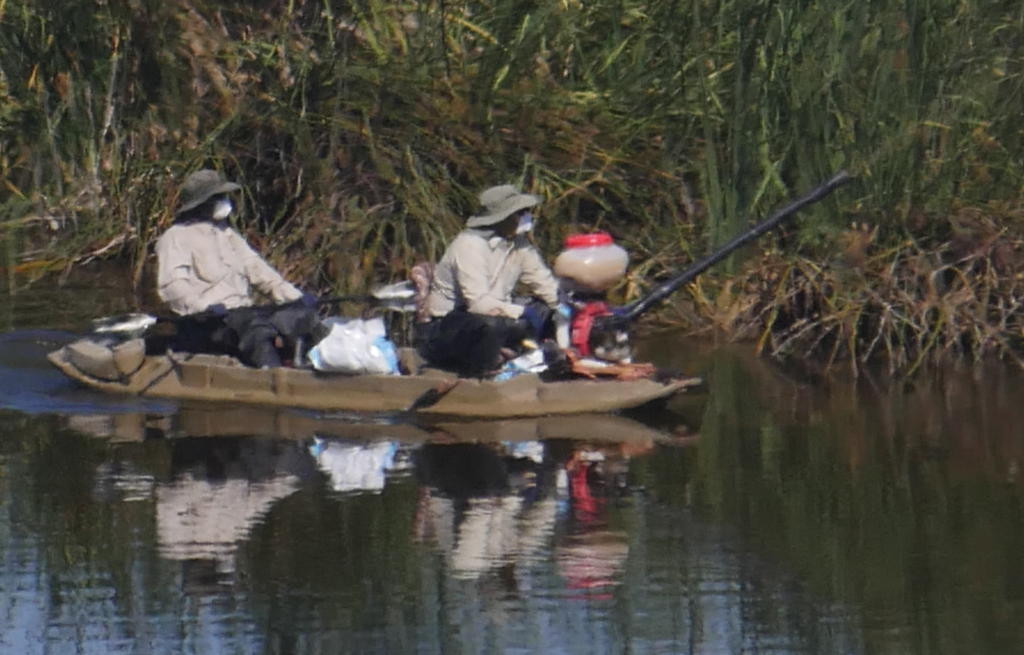
As for mosquito abatement, we have reviewed the 1995 Mosquito Abatement Plan for the FWM can find no support for the argument that allowing for increased water flows into the ecological reserve would impede mosquito control. As with the flood control argument, we have repeatedly requested copies of any documentation that would support the mosquito abatement argument and no such documentation has been provided. To the contrary, a spike in mosquito counts in 2016, which led to threats of criminal prosecution from Los Angeles West Vector Control, resulted in water levels in the FWM being substantially lowered. The photo below shows Vector Control spraying vegetation in the FWM.
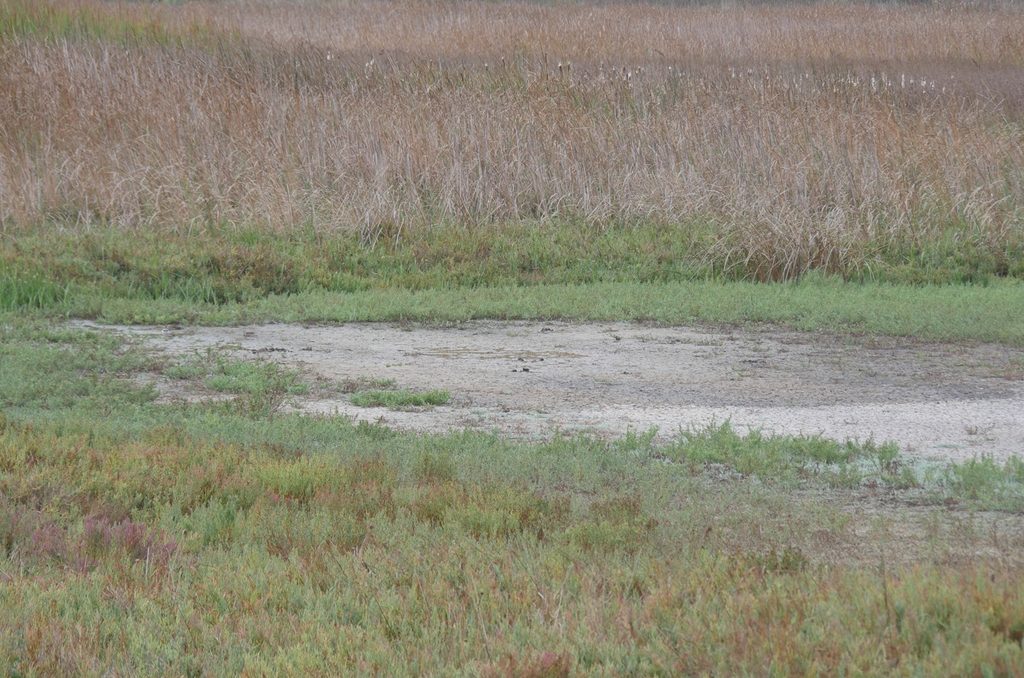
Finally, with regard to concerns about too much freshwater compromising salt marsh habitats, this justification is also lacking in supporting documentation or explanation. Recent inundation of the non-tidal marsh over the last several years has not had any noticeable impact on the pickleweed vegetation in this area. In fact, the pickleweed has expanded in the last few years of more regular freshwater inundation (see photo below). Brackish vegetation also exists in the area, but that is precisely what the California Department of Fish and Wildlife (CDFW) envisions for this area in their environmental analysis for the ER. CDFW has described this area as being “hydrologically starved from its water source for many decades”, but freshwater from the east was historically the water source for this area, and is now being blocked from the ER by the spillway control weir pictured above.
So if none of the publicly stated reasons for this management practice are supported by the factual record, what is preventing the Ballona Wetlands Conservancy from allowing more water into the non-tidal marshes of Southeast Area B during critical spring nesting and fall migration. The unfortunate reality is that the Ballona Wetlands Conservancy has no incentive to adopt management practices that benefit the adjacent ecological reserve. It is important to keep in mind that when the Freshwater Marsh was designed, the land on which it sits as well as the land on which the ecological reserve now sits was all privately owned and the creation of the Freshwater Marsh was to go hand in hand with restoration of the “salt marsh” to the west. It was envisioned that one manager would look after the entire system and balance the needs of freshwater, brackish, and salt marsh habitats.
However, this changed in the early to mid-2000s. Playa Vista agreed to transfer the land on which the Freshwater Marsh was being constructed to the State Lands Commission. The State of California used public bond funds to acquire the land which is not the Ballona Wetlands Ecological Reserve. When that newly acquired public land was designated as an ecological reserve in August of 2005, Playa Vista and Friends of Ballona Wetlands lobbied strenuously, and successfully, against the inclusion of the Freshwater Marsh in the ER. This created a disconnect in how the FWM and ER are managed, with the former being managed by the Ballona Wetlands Conservancy and the latter being managed by the California Department of Fish and Wildlife.
Although a CDFW representative serves as a voting member of the BWC Board of Directors, the record shows that CDFW considers its role on that Board to advance the interests of the FWM, not the interests of the adjacent ER. For instance, at a public meeting hosted by CDFW, it was argued that, in the same way that one neighbor can’t dictate how another neighbor manages their property, CDFW had no power to dictate how the BWC manages the FWM, even if is there is a negative impact on the ER. This analogy is flawed in two ways. First, neighbors typically can compel each other to cease activities that negatively impact adjacent property. The Ballona Wetlands Land Trust is trying to change that dynamic by reminding CDFW of its regulatory role and obligations as a trustee agency for the public’s natural resources.
What’s next and what can you do to help?
We and other advocacy groups have been actively seeking change on this issue for many years. Those efforts have led to growing acknowledgement of the issue by various agencies, including CDFW, but no official action has been taken to as of yet. Our organization always seeks a collaborative resolution. We would like to see the Ballona Wetlands Conservancy work closely with the regulatory agencies, including the State Lands Commission, the California Coastal Commission, the Los Angeles Regional Water Quality Control Board, and CDFW, to formalize an updated policy that balances the needs of the Freshwater Marsh with the needs of the ecological reserve. In the meantime, unless a compelling case can be made otherwise, we would like to one or more boards to be immediately removed from the spillway control weir such that sufficient water can flow into the ER to support important habitat for migrating wading birds and waterfowl. These simple outcomes will be far more likely with broad public support. A call to action is at the bottom of this page.
If a collaborative resolution cannot be reached after these many years, we may have no other option than to file litigation under the public trust doctrine to compel the forementioned agencies to meet their ongoing, affirmative obligation to ensure that public trust resources are managed in a way that is reasonably calculated to optimize benefit to the general public.
Call to action:
Please send an email, in your own words, that requests the relevant agencies to formalize an updated water management policy and that requests immediate release of water into the ecological reserve, unless a compelling present-day argument can be made against such a release. Please make sure the subject line references water flows from the FWM into the ER, and please copy the following email addresses:
Tags: Ballona Freshwater Marsh, ballona wetlands